
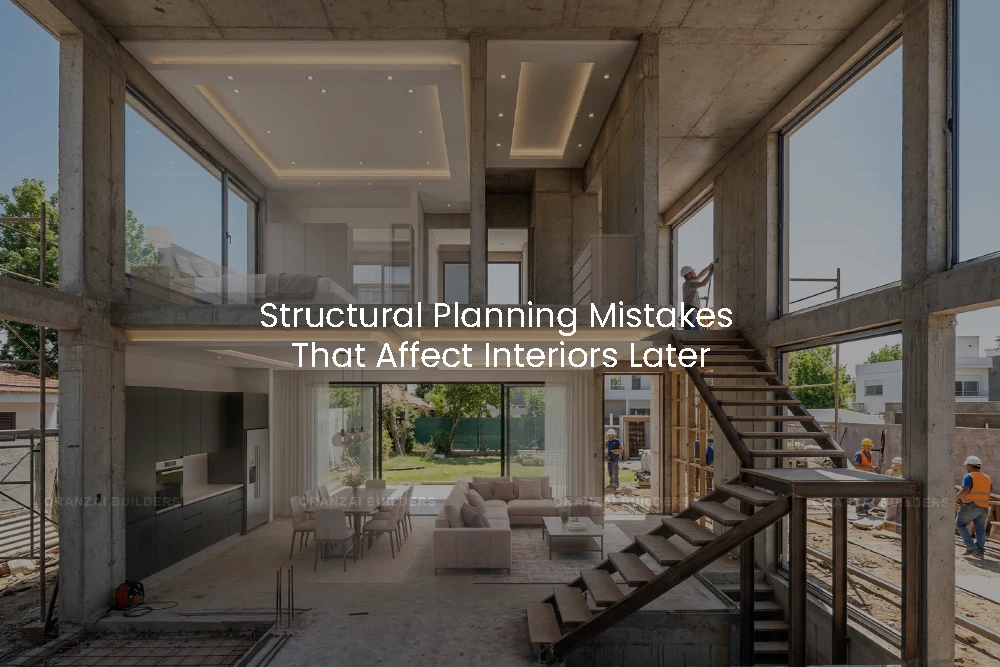
When homeowners imagine their future house, they usually think about beautiful living rooms, comfortable bedrooms, well-planned kitchens, and elegant interiors. What many people don’t realize is that the success of interior design is heavily dependent on structural planning done much earlier in the construction stage.
In residential construction, structural decisions such as column placement, beam levels, slab heights, and room proportions directly influence how interiors can be designed and executed later. When these structural elements are poorly planned, even the most talented interior designers face limitations.
In turnkey residential construction, where architecture, construction, and interiors are executed as one coordinated process, these issues can be prevented from the start. This integrated approach is one reason homeowners often prefer working with the Best Turnkey Construction Company in Kerala, where planning happens holistically rather than in isolated stages.
Let’s look at some of the most common structural planning mistakes that affect interiors later, and why they matter when building a new home.
Poor Column Placement That Restricts Interior Layout
Columns are essential structural components, but their placement should always consider interior usability.
A common mistake in residential construction is positioning columns purely from a structural grid perspective without evaluating how they affect interior space planning. When columns appear awkwardly in living rooms, bedrooms, or dining areas, they can limit furniture placement and interrupt visual flow.
For example, a column in the middle of a living space can force interior designers to create awkward seating layouts or conceal it with unnecessary cladding or partitions.
When structural planning and interior design are coordinated from the beginning, columns can be placed along walls or within partitions so they blend naturally with the interior design rather than disrupt it.
Incorrect Beam Levels Affecting Ceiling Design
Ceiling design is one of the most impactful elements of home interiors. False ceilings help integrate lighting, improve aesthetics, and create a refined visual finish.
However, structural beams that are poorly planned can severely limit ceiling design options.
If beams are placed too low or at inconsistent levels across rooms, interior designers may struggle to create a uniform ceiling. This can lead to uneven false ceilings, excessive drops, or compromised lighting layouts.
In well-planned homes, beam depths and placements are carefully coordinated so that ceiling design remains clean and balanced across spaces.
When architecture, structural engineering, and interiors are aligned during early planning, such challenges are largely avoided.
Inadequate Slab Height That Limits Interior Flexibility
Floor-to-ceiling height is another structural decision that strongly impacts interior design.
In many homes where slab heights are planned too conservatively, there is very little room left for ceiling design, lighting, or concealed services. This often results in interiors feeling visually compressed.
A comfortable interior space typically requires sufficient slab height to accommodate:
False ceilings
Lighting fixtures
Air circulation
Visual openness
When slab heights are planned with interiors in mind, designers can introduce layered ceilings, ambient lighting, and better spatial proportions.
Experienced teams working under a turnkey model ensure that structural heights support interior quality rather than restrict it.
Poor Window and Door Structural Openings
Natural light and ventilation play a huge role in the quality of interiors. However, window and door openings are structural decisions made during early construction stages.
Mistakes often occur when window sizes or positions are decided without considering interior layouts.
For instance:
Windows may fall behind wardrobes or cabinets.
Door placements may restrict furniture positioning.
Window heights may conflict with interior wall designs.
When openings are thoughtfully planned, they enhance interior design rather than disrupt it. Window placements should complement furniture layouts, lighting plans, and wall treatments.
This level of coordination typically happens when architecture and interior design are developed together during the early stages of construction.
Structural Walls That Restrict Functional Space Planning
Another common issue is placing structural load-bearing walls in positions that limit how rooms can be used.
While structural stability is essential, poor coordination between structural design and spatial planning can result in rooms that feel cramped or difficult to furnish.
For example:
Bedrooms may lose usable wall space for wardrobes.
Kitchens may have structural walls that interfere with storage layouts.
Living rooms may lose flexibility for seating arrangements.
When structural layouts are designed with interior functionality in mind, spaces become more adaptable and efficient.
This balance between structural stability and interior usability is a hallmark of professional residential planning.
Staircase Structural Planning That Affects Interior Flow
The staircase is both a structural and architectural feature, but it also has a major influence on interior space.
Poor staircase planning can create several interior issues:
Wasted or unusable space beneath the stairs
Poor circulation between rooms
Visual disruption in living areas
When staircases are structurally positioned without considering interior flow, the surrounding spaces may feel disconnected.
Proper planning allows the staircase to integrate naturally with interior design, sometimes even becoming a visual focal point within the home.
Electrical and Service Planning Ignored During Structural Design
Although electrical systems are installed later, the structural stage determines how easily services can be integrated.
If structural planning ignores the future routing of electrical lines, lighting provisions, and air-conditioning ducts, interior execution becomes more complicated.
This often results in unnecessary ceiling drops or visible service adjustments that compromise interior aesthetics.
When construction teams coordinate structural design with interior service planning, electrical layouts, lighting concepts, and concealed systems fit seamlessly into the home design.
Why Integrated Turnkey Planning Prevents These Problems
Many of these mistakes happen when architecture, construction, and interiors are handled by separate teams working independently.
When planning is fragmented, structural decisions are made without understanding how they will impact interior design later.
A turnkey construction model solves this problem by integrating all disciplines under one coordinated system.
Companies recognized as the Best Construction Company in Kerala for residential turnkey execution typically follow a structured process where:
Architects plan spatial layouts
Structural engineers optimize structural systems
Interior designers align furniture, lighting, and ceiling concepts
All these decisions happen before construction begins, ensuring that structural planning supports interior quality rather than restricting it.
Final Thoughts
Beautiful interiors do not begin with furniture or décor. They begin much earlier, during the structural planning stage of the house.
Column placement, beam levels, slab heights, wall positions, and staircase design all shape what is possible inside a home. When these elements are poorly planned, interior designers must work around limitations that could have been avoided.
For homeowners building a new house, the key takeaway is simple: interior success depends on structural foresight.
Working with a professional team that integrates architecture, construction, and interiors from the beginning ensures that your home is designed as a complete system rather than disconnected parts.
If you are planning a new home and want every stage—from structural planning to final interiors—to be executed with clarity and coordination, consulting a team like Oranzai Builders, widely regarded as the Best Turnkey Construction Company in Kerala, can help ensure that your home is built with both structural strength and interior excellence in mind.
